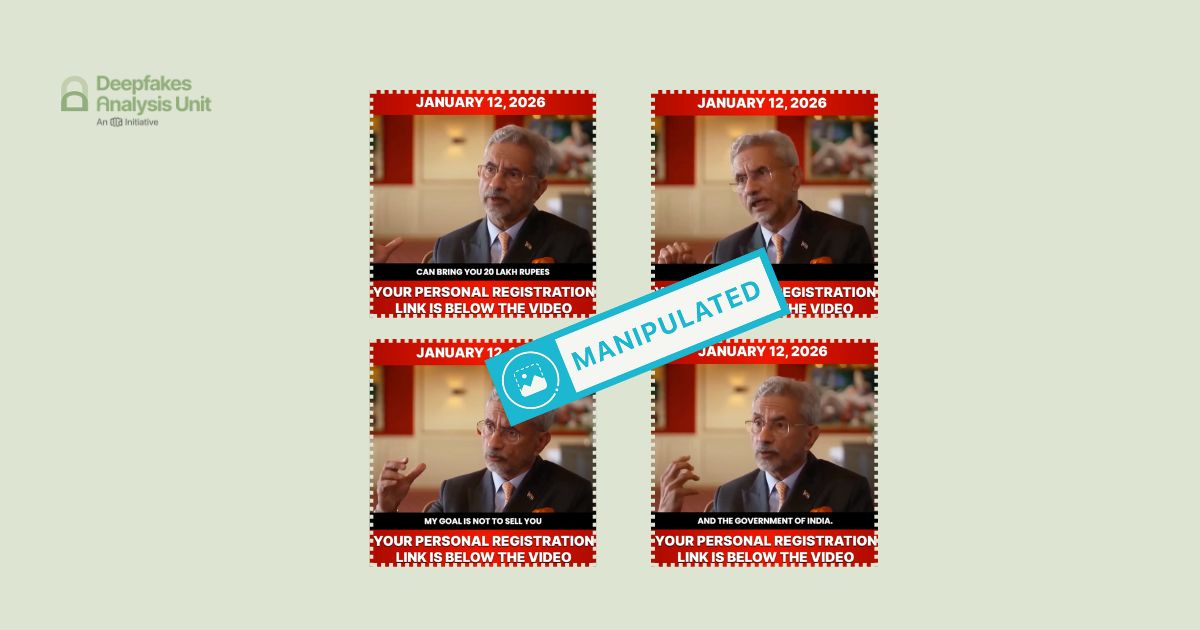


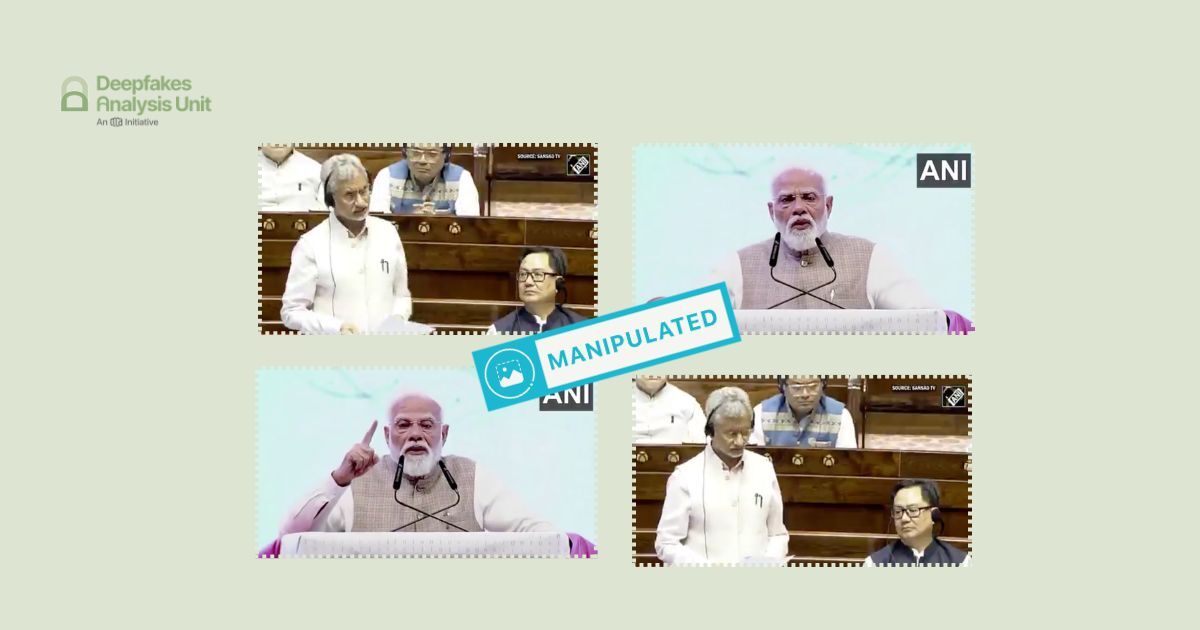
The Deepfakes Analysis Unit (DAU) analysed two videos, one of them apparently featuring Prime Minister Narendra Modi, and the other one supposedly featuring Dr. Subrahmanyam Jaishankar, India’s External Affairs Minister. Both videos have one thing in common: the featured subjects seem to support Israel against Iran in the ongoing conflict in West Asia to ultimately defeat Pakistan. After putting the videos through A.I. detection tools and getting our expert partners to weigh in, we were able to conclude that the videos were manipulated with synthetic audio.
The 53-second video apparently featuring Mr. Modi is in Hindi. It was discovered by the DAU during social media monitoring, embedded in a post on X, formerly Twitter. The 34-second video featuring Dr. Jaishankar is in English and was escalated to us by a fact-checking partner for analysis. One of the accounts carrying that video on X has been withheld in India in response to a legal demand; we will refrain from sharing further details about the account.
The X post carrying Modi’s supposed video was shared by an account with the display name of “Angry Patriot” and a display picture that seems to show U.S. President Donald Trump on a phone call. The profile details suggest the handle belongs to a “media and news company” and mentions Nigeria as the location.
The text with that video in English, read: “Delhi: Speaking at the NXT Summit, PM Narendra Modi says, ‘Iran will have to answer for spreading terrorism across the whole region. Our target remains Pakistan & to achieve this target, it is imperative that current Iranian regime falls and Israel completely takes it over, this is the only path for Greater Israel and Akhand Bharat.’”
We do not have any evidence to suggest whether the suspicious videos originated from any of the accounts on X or elsewhere.
The fact-checking unit of the Press Information Bureau (PIB), which debunks misinformation related to the Indian government, posted fact-checks for the two videos— here and here —from their verified handle on X.
Modi has been captured in a medium close-up in the video. He seems to be standing behind what looks like a lectern, only its top is visible with two microphones placed on it. His head and hands move in an animated manner, and his gaze shifts in different directions as if he is addressing a crowd. Cutaways of what seems to be an audience are interspersed throughout the video. His backdrop is brightly lit. A logo resembling that of ANI, an Indian news agency, is visible in the top right corner of the video frame.
Jaishankar’s purported video opens with him in a medium shot, apparently speaking from the floor of the Rajya Sabha. The seating arrangement and the people around him, including Kiren Rijiju, Minister of Parliamentary Affairs and Minority Affairs, offer location clues. Jaishankar appears to be standing wearing headphones, holding a set of papers which he seems to be reading from frequently as he looks in front and around.
A cutaway of C.P. Radhakrishnan, India’s Vice President and Rajya Sabha Chairman, and another one of parliamentarians seated in the Rajya Sabha are part of Jaishankar’s video track. A logo resembling that of ANI—distinct from the one visible in the video apparently featuring Modi—is seen in the top right corner of the video frame. Bold letters in white reading “Source: Sansad TV” can be seen right next to the logo.
The quality of the video purportedly featuring Modi is good but the one supposedly featuring Jaishankar is very poor. Modi’s lip movements mostly sync well with the accompanying audio track. However, besides the poor video quality, the movement of Jaishankar’s head in the video makes it difficult to discern the lip movements.
Modi’s and Jaishankar’s teeth seem to disappear and reappear between frames in their respective videos. Modi’s teeth also appear to change shape, in one frame his lower set of teeth seem to hang loosely. His beard seems to have an odd blur and appears to elongate. In some frames, Jaishankar’s lower set of teeth seem to meld with his lower lip as he appears to speak.
We compared the voice attributed to Modi and Jaishankar, respectively, with their recorded speeches and interviews available online. There is striking similarity in the voice, tone, accent, and cadence between the two sets of voices in both Modi’s and Jaishankar’s case. However, the pacing of speech is faster in their respective voice samples. And the pauses, especially characteristic of Modi’s speech, are missing from the audio track with his supposed video. There’s a slight echo and a coughing sound in the audio track with Jaishankar’s purported video.
We undertook a reverse image search using screenshots from the two videos. Modi’s visuals were traced to this video published from his official YouTube channel on March 22, 2026 (A shorter version of this video was also posted from the official X handle of ANI on March 12.) Jaishankar’s visuals were traced to this video published on March 9, 2026, from ANI’s official YouTube channel.
The clothing, backdrop, and body language of Modi and Jaishankar are identical in the videos we traced and those we reviewed. Modi speaks in Hindi in the video we traced and Jaishankar speaks in English in his video. Though the language matches between the audio tracks, the content is different in the videos we reviewed and traced.
The audio track in Modi’s source video has ambient sound of clapping, a slight echo and text graphics at the bottom of the video frame, which display the transcript of his speech in English; none of these elements are part of the doctored video.
The shorter version of the source video, however, does not carry the transcript text but it has an ANI logo, the same one that has been used in the doctored video. The positioning of the logo is also identical, which seems to suggest that a portion from the shorter clip has been lifted and used to create the manipulated video. Modi’s beard does not seem to blur or elongate in the source video or its shorter version.
Jaishankar’s source video carries the same ANI logo and “Sansad TV” mention as seen in the doctored video; the positioning of the logo and graphic is also identical between the two videos. The video quality of the source video is good unlike the doctored video.
The audio track in Jaishankar’s source video has ambient sound of shouting for the most part. The slight echo and coughing sound heard in the doctored video cannot be heard in the source video.
The cutaways from both the manipulated videos could be traced to the respective source videos. However, the sequence of the cutaways is not the same in the source and doctored videos, which indicates that short clips have been stitched together to create the doctored versions.
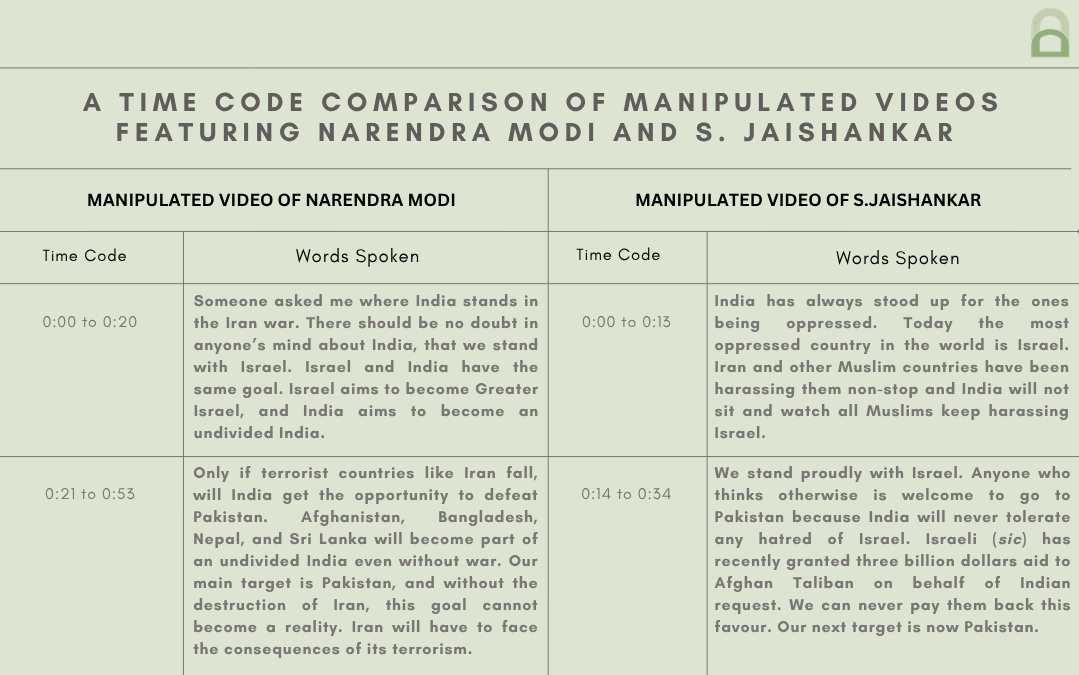
Shared below is a table that compares the English translation of the speech in Modi’s manipulated video and the transcript of the audio in Jaishankar’s manipulated video. We want to give our readers a sense of how the audio tracks are being used to peddle a certain narrative. We, of course, do not intend to give any oxygen to the bad actors behind this content.
To discern the extent of A.I. manipulation in the videos we reviewed, we put them through A.I. detection tools.
The voice tool of Hiya, a company that specialises in artificial intelligence solutions for voice safety, indicated that there is a 57 percent probability that the audio track in the video supposedly featuring Modi was modified or generated using A.I. For Jaishankar’s purported audio the tool gave a 78 percent probability of it having been modified or generated using A.I.
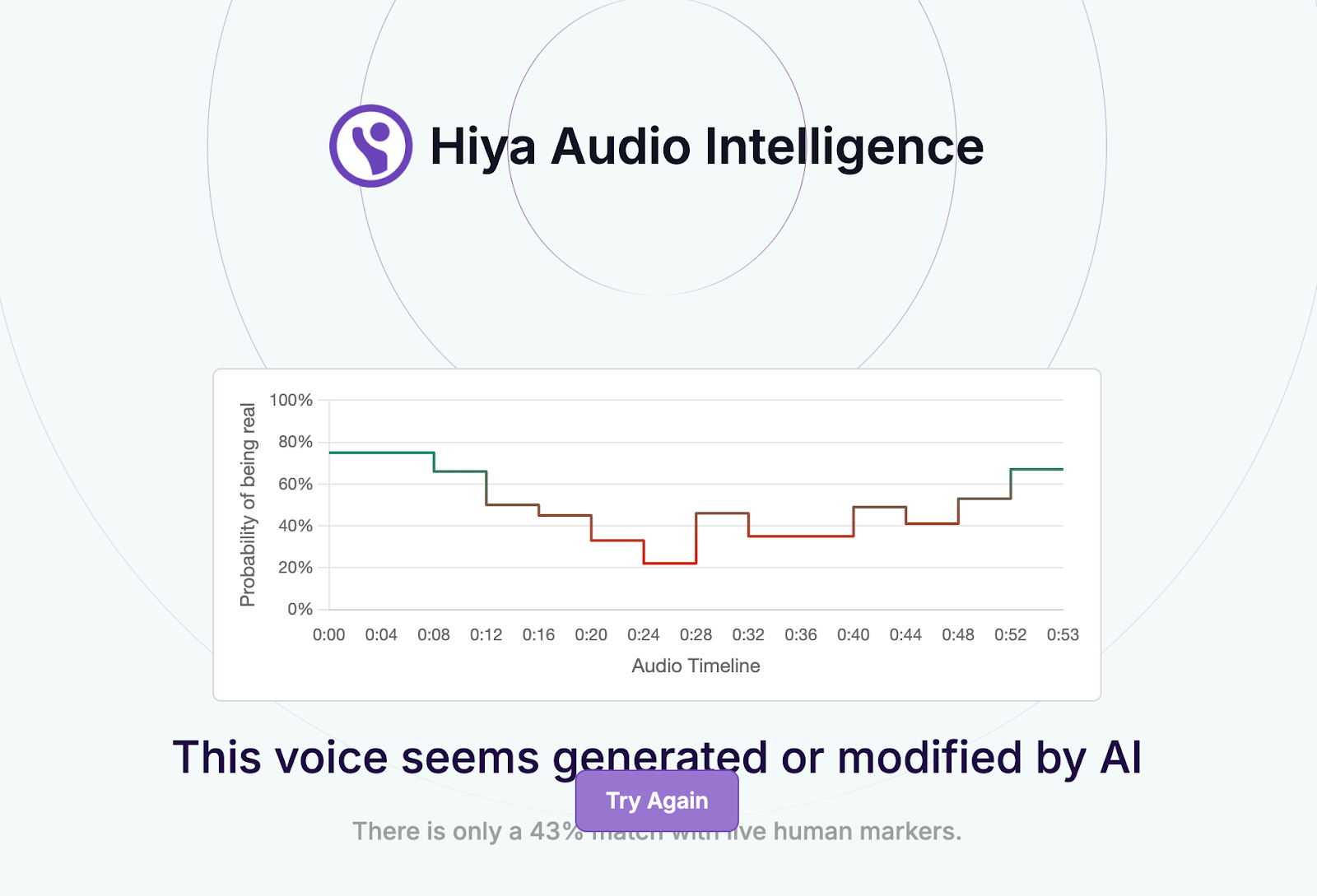
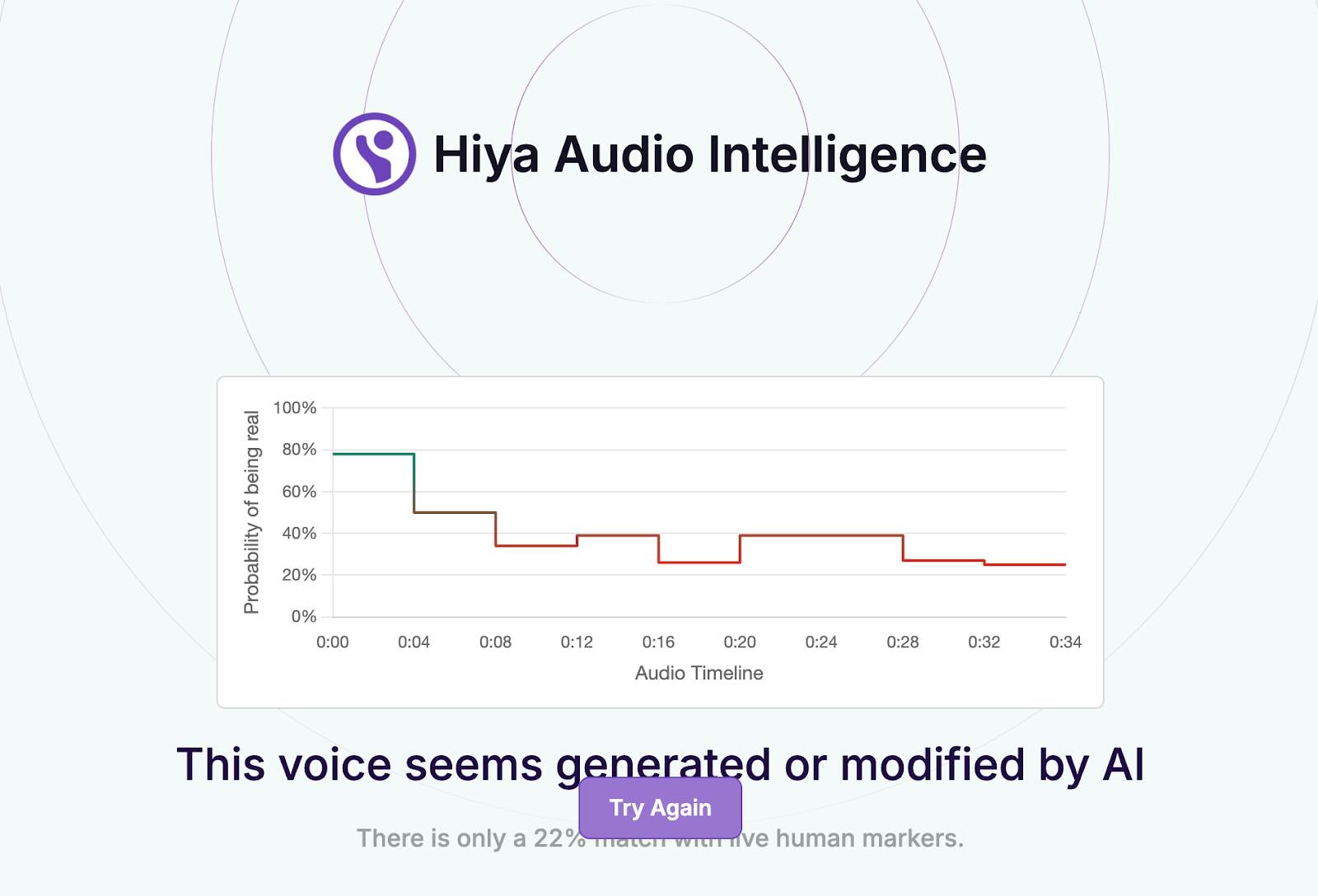
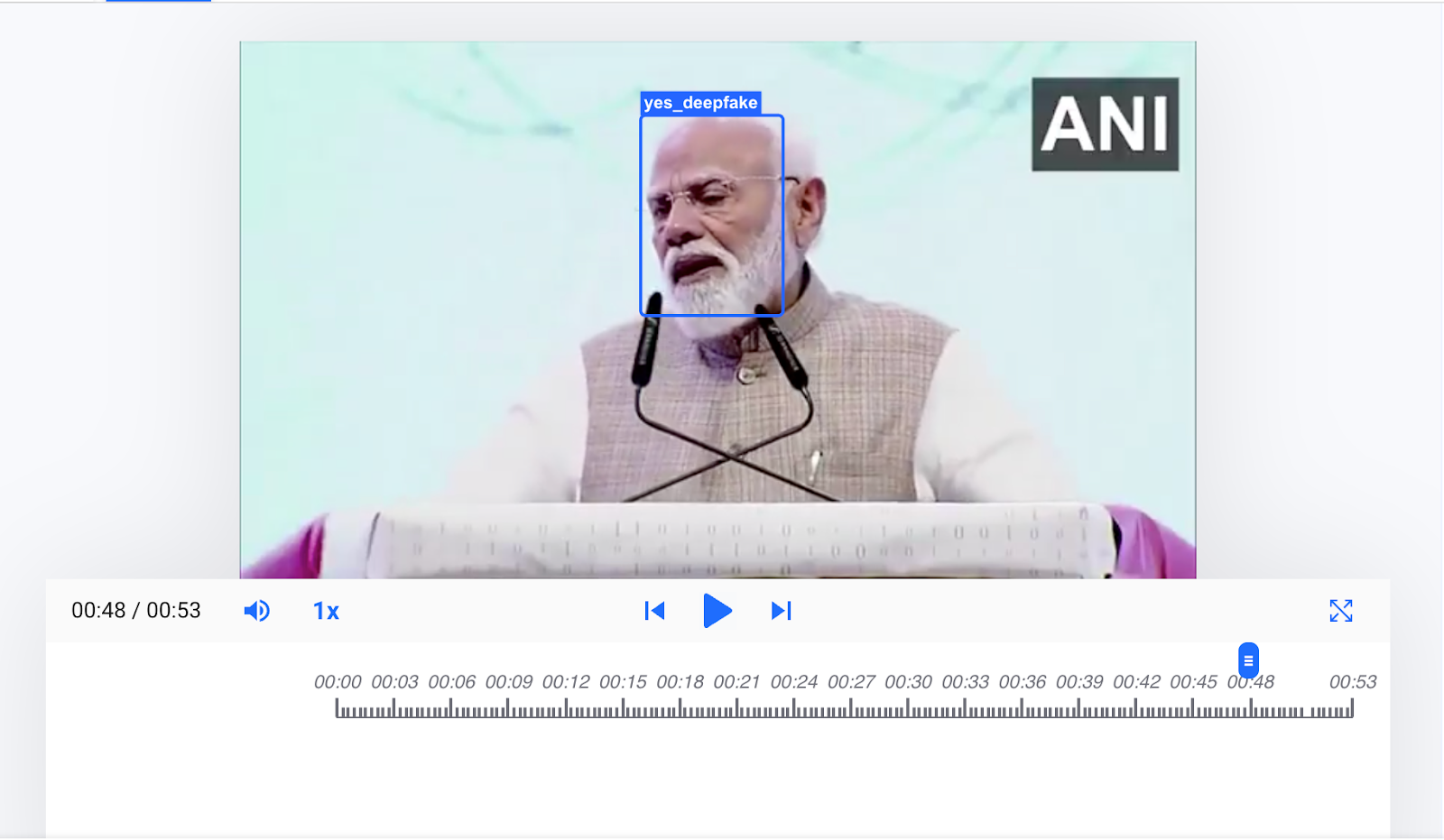
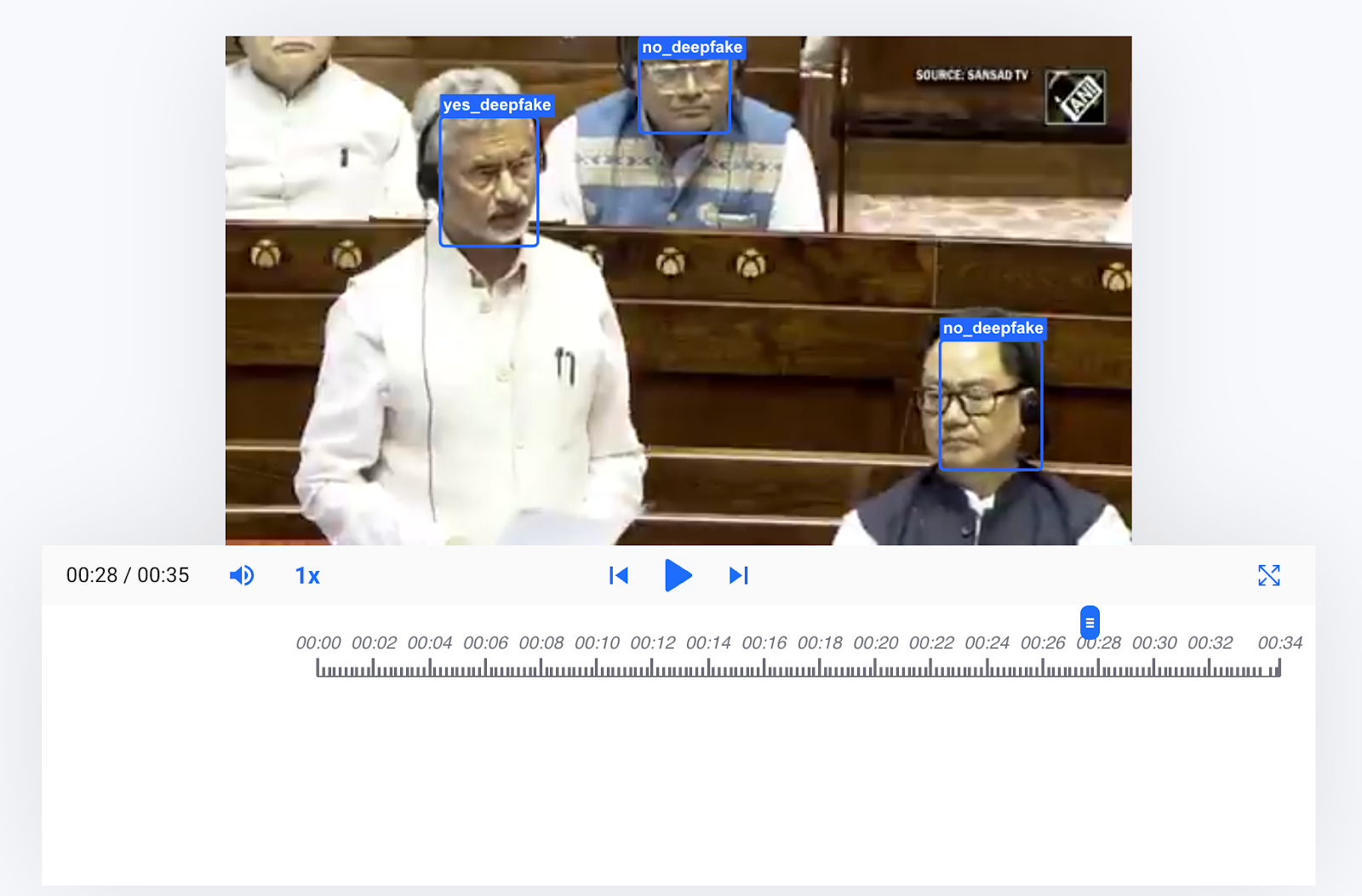
Hive AI’s deepfake video detection tool highlighted only a few markers of A.I. manipulation in the doctored videos of Modi and Jaishankar. Their audio detection tool indicated that the audio track with each video is “not A.I.-generated”.
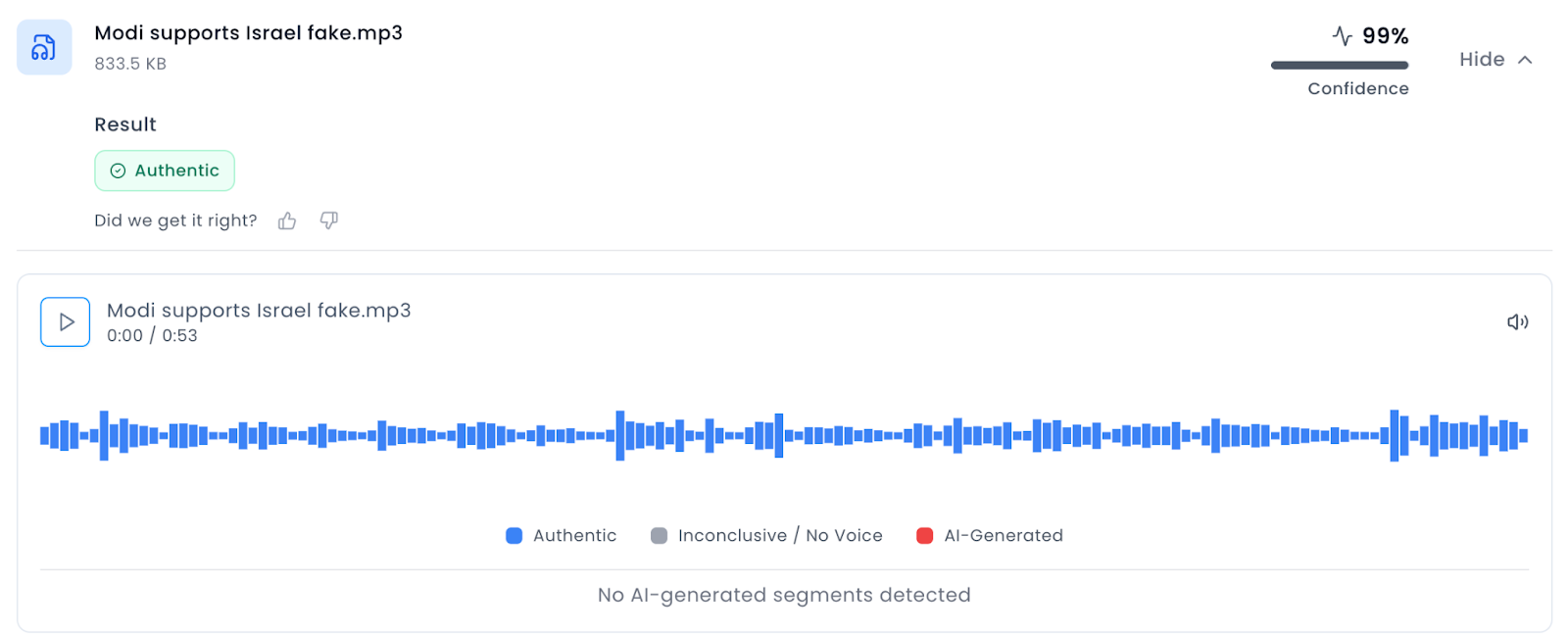
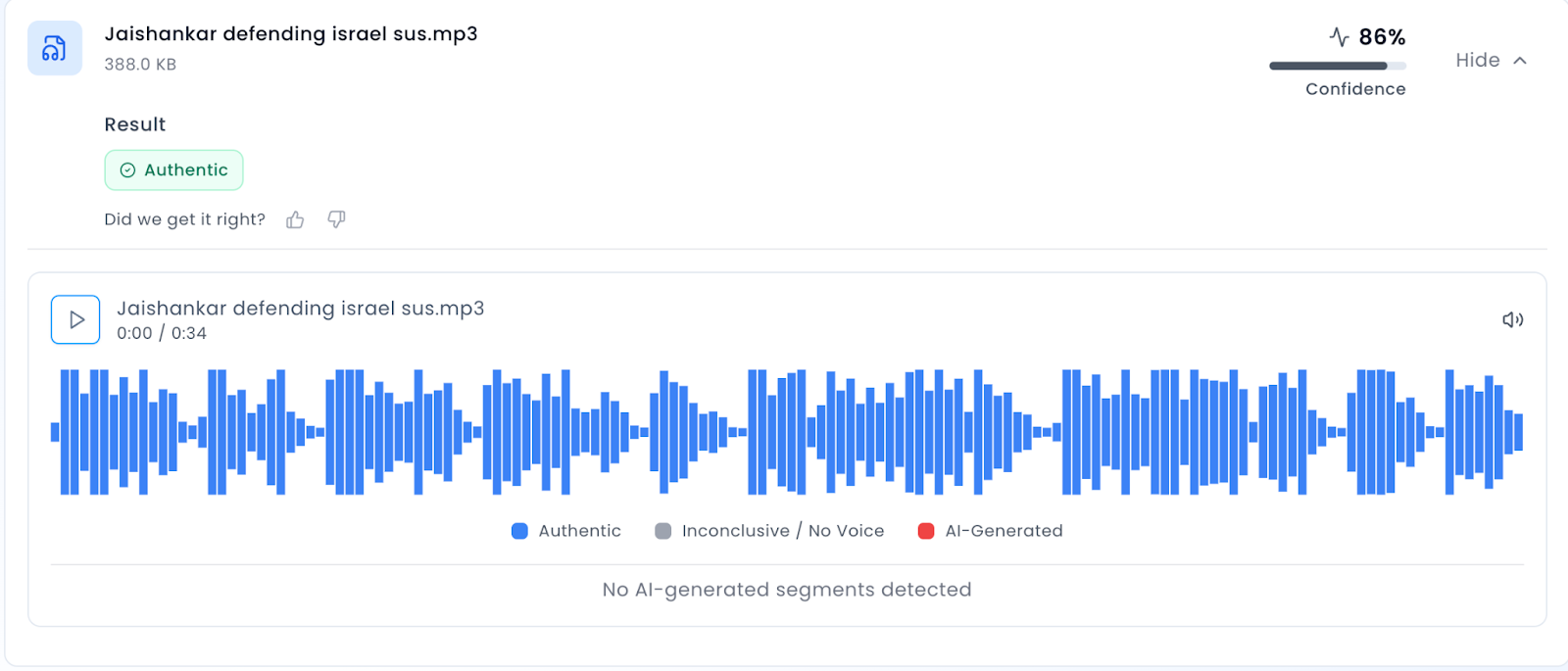
We ran the audio tracks through the advanced audio deepfake detection engine of Aurigin.ai, a Swiss deeptech company. The results indicated a 99 percent confidence in the purported audio of Modi being authentic; and 86 percent confidence in Jaishankar’s supposed audio being authentic.
We also put the audio tracks through the A.I. speech classifier of ElevenLabs, a company specialising in voice A.I. research and deployment. The results that returned indicated that it was “very unlikely” that the audio tracks in Modi’s and Jaishankar’s doctored videos were generated using their platform. A further analysis by the team also could not conclusively determine whether the audio tracks originated from their platform.
To get an analysis on the videos we reached out to ConTrails AI, a Bangalore-based startup with its own A.I. tools for detection of audio and video spoofs. The team ran both the manipulated videos through audio and video detection models. The results that returned indicated signs of A.I.-manipulation in the video tracks and A.I.-generation in the audio tracks.
They stated that in Modi’s purported video, the subject’s unnatural lip movements indicate that a lip-sync technique was used. They added that the voice in the audio track sounded very close to Modi’s voice, which indicated the use of voice cloning techniques.
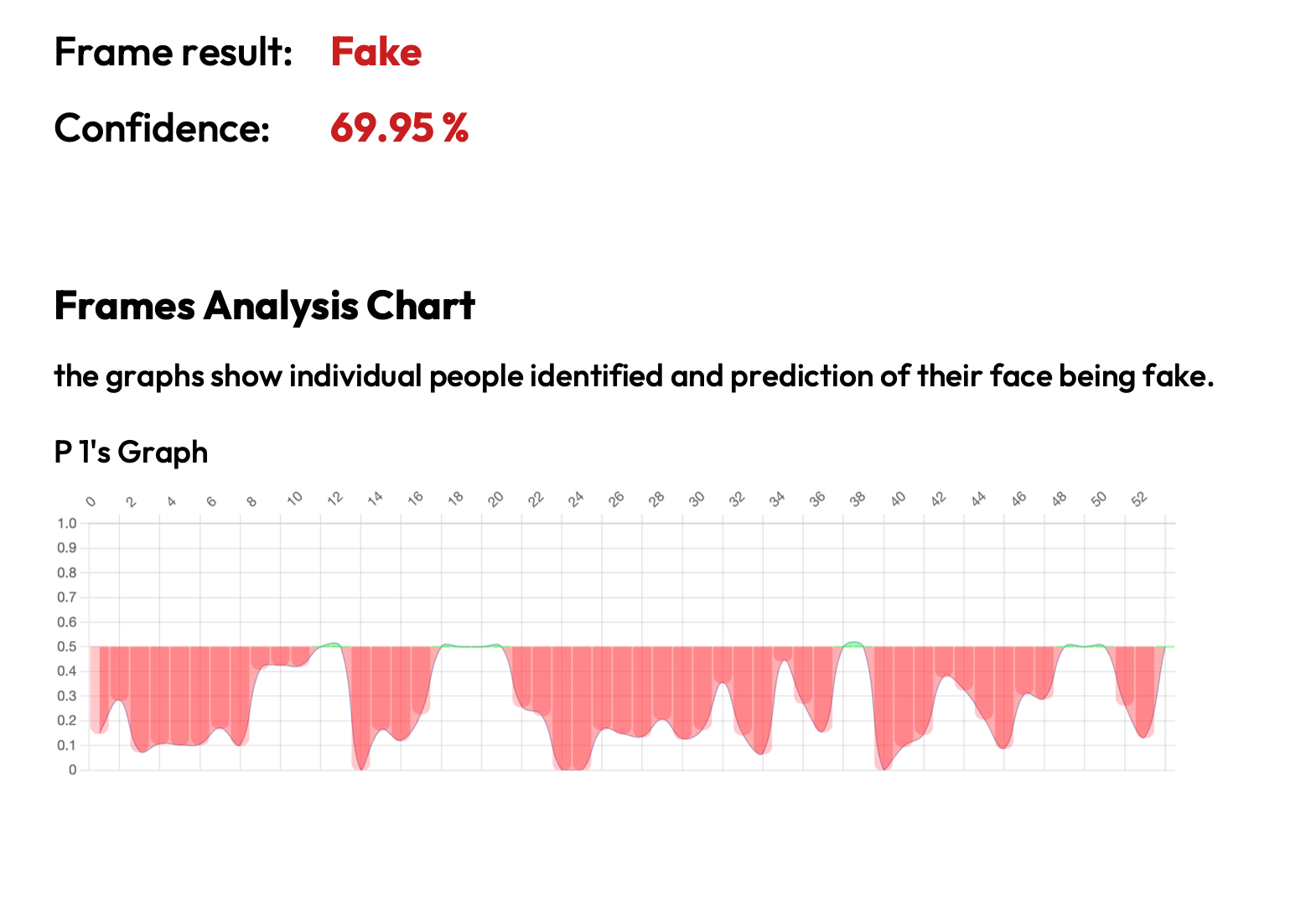
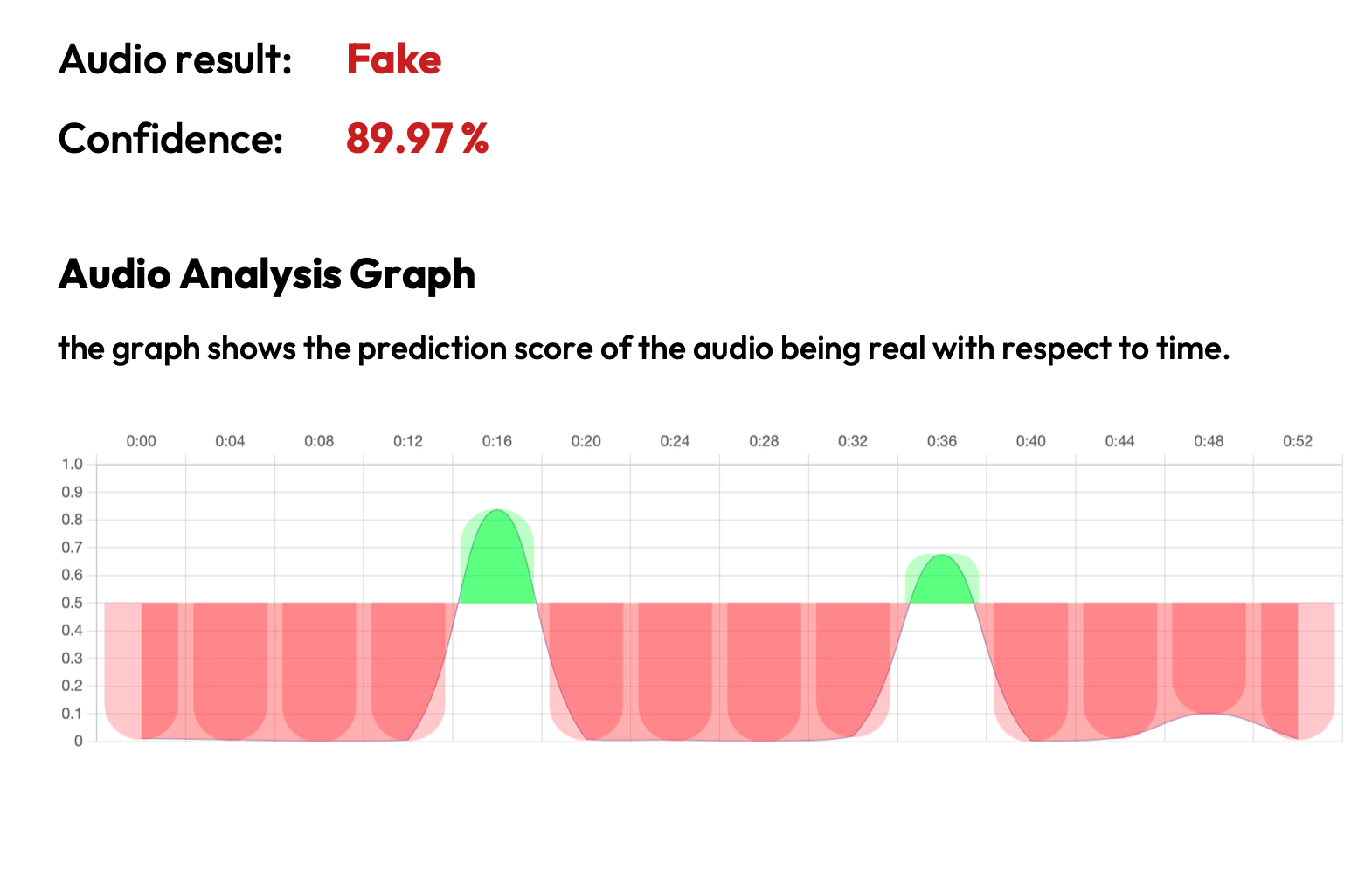
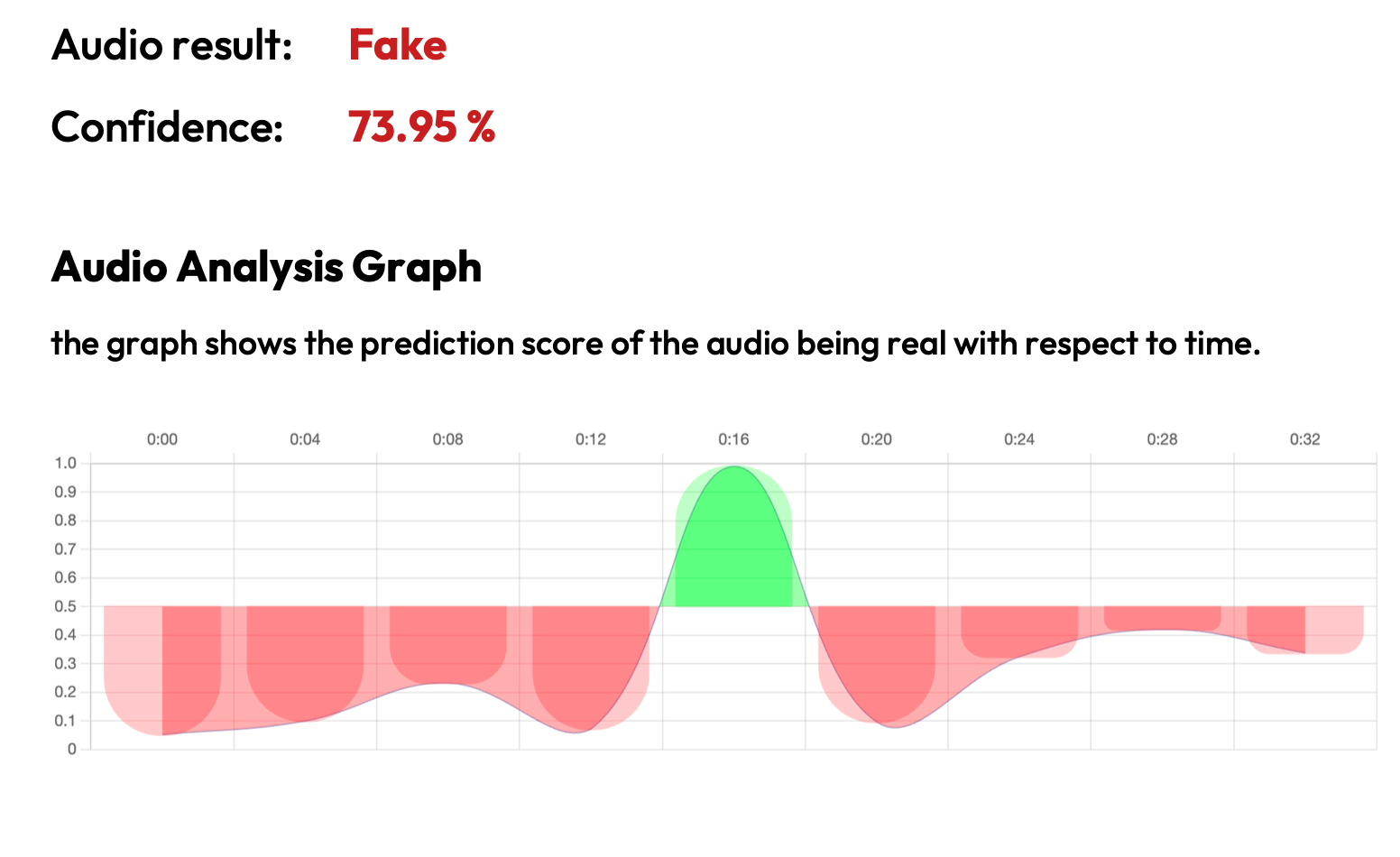
The team noted that the quality of Jaishankar’s purported video is extremely low, hence their video detection model was unable to give a strong prediction. They added that the audio track had clear signs of A.I., which is explained by the strong confidence score (see below). They suggested that it is a lip-sync attack.
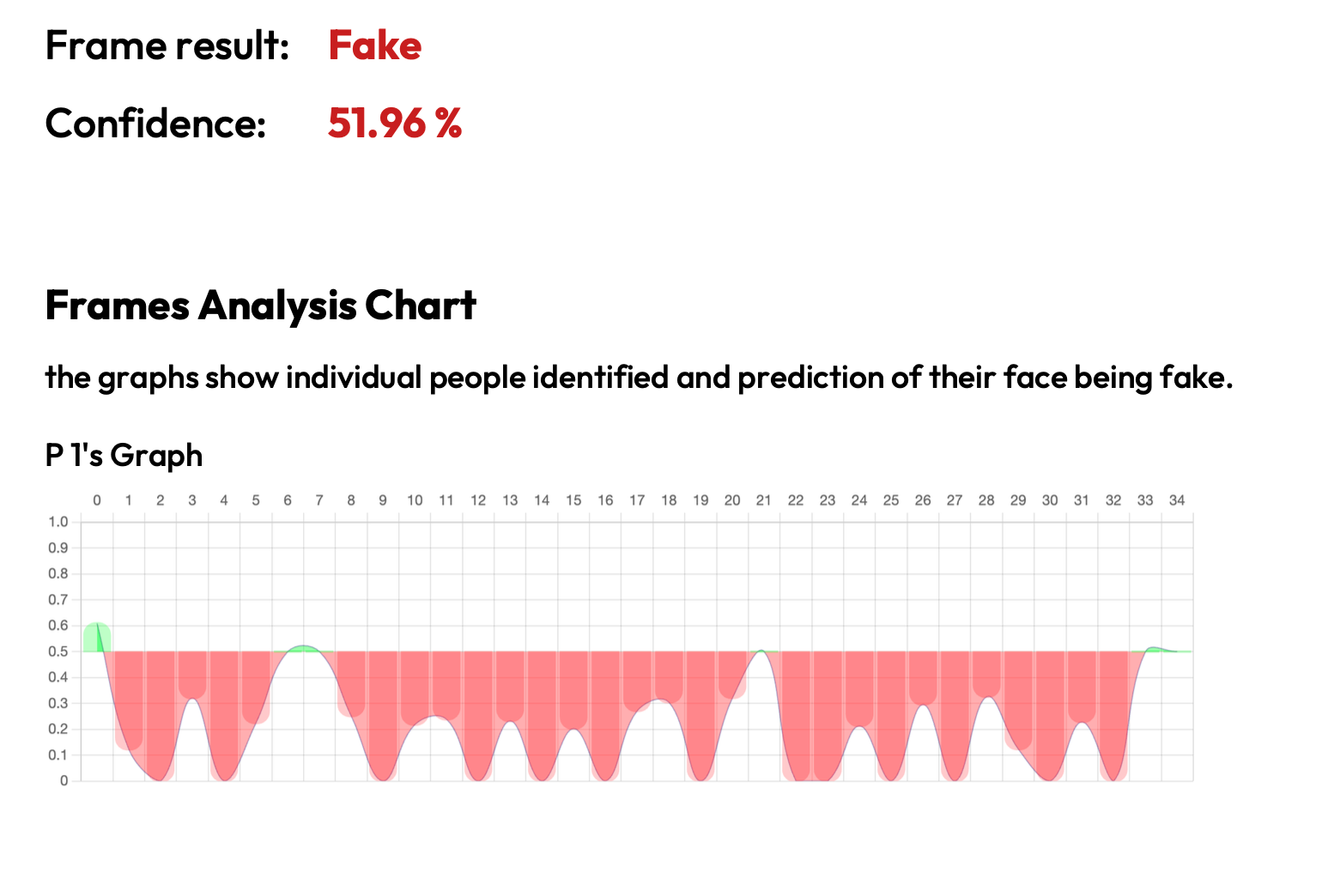
To get an expert to weigh in on Modi’s purported video, we escalated it to the Global Online Deepfake Detection System (GODDS), a detection system set up by Northwestern University’s Security & AI Lab (NSAIL). The video was analysed by two human analysts, run through 22 deepfake detection algorithms for video analysis, and 70 deepfake detection algorithms for audio analysis.
Of the 22 predictive models, 13 gave a higher probability of the video being fake and the remaining nine gave a lower probability of the video being fake. Of the 70 predictive models, 66 gave a higher probability of the audio being fake, while the remaining four gave a lower probability of the audio being fake.
In their report, the team highlighted specific time codes from the video to indicate that as the subject appears to speak his mouth looks abnormally dark, rarely showing any teeth. They identified additional time codes to suggest that his jaw seems to move in an exaggerated manner which almost appears puppet-like. They added that, in tandem with this, his beard appears to change length as he moves.
They also pointed to instances where the subject’s glasses become blurry and blend into his face. They noted that the top of the subject’s head appears blurry throughout the video despite the rest of his appearance remaining mostly clear.
They observed that the subject’s voice seems to lack natural tonal and cadence variations characteristic of human voices. In conclusion, the team stated that the video is likely manipulated via artificial intelligence.
To get expert analysis on Jaishankar’s purported video, we reached out to our partners at RIT’s DeFake Project. Kelly Wu from the project shared the same source video featuring Jaishankar that we have linked to above; and also shared the segment which has likely been used in the doctored video. Ms. Wu noted that the shot of the inside view of the Indian Parliament appears later in the source video compared to the doctored video.
Wu mentioned that the video doesn’t appear to be fully synthetic. She stated that lip-sync was applied to the main character depicted in the video as she referred to Jaishankar. She added that the doctored video is fairly blurry, making it hard to clearly see Jaishankar’s mouth movements or facial features. She further explained that it may not be reliable to claim if the weirdness in his mouth or face region is due to manipulation or high compression.
Saniat Sohrawardi from the project pointed to a three-second segment in the video where Jaishankar’s mouth movements are noticeably out-of-sync with the audio, despite no scene cuts or changes in camera angle. Mr. Sohrawardi noted that in the rest of the video, the lip‑sync appears stable.
Sohrawardi added that if the issue were caused by compression or typical desynchronization errors, the effect would ordinarily be consistent across the entire timeline rather than confined to a specific three‑second interval.
He further explained that brief dropped frame sequence or variable framerate irregularity, are possible alternative explanations for that short segment being different. However, he noted that the observed artefact is less like a timing delay and more like a mismatch in the mouth-shape generation.
He added that the mouth movements catch up afterward, which further supports the idea of incorrect lip‑landmark tracking—algorithm failing to extract proper structural details of the mouth—or generative synthesis error localized to that region, rather than a continuous offset or dropped‑frame problem.
On the basis of our observations and expert analyses, we can conclude that in both the videos original footage was used with synthetic audio to peddle a false narrative about India supporting Israel against Iran in the ongoing West Asia conflict to ultimately defeat Pakistan.
(Written by Debraj Sarkar and Debopriya Bhattacharya, edited by Pamposh Raina.)
(Kindly Note: The manipulated audio/video files that we receive on our tipline are not embedded in our assessment reports because we do not intend to contribute to their virality.)
You can read the fact-checks related to this piece published by our partners:
AI-Generated Clip of Jaishankar Saying Israel Is ‘Oppressed’ Viral as Real
Video Claiming To Show EAM Jaishankar Saying India Stands With Israel Is Manipulated
Fact-Check: AI-Manipulated Clip Viral as PM Modi Called Iran a 'Terrorist State'
Fact Check: पीएम मोदी ने नहीं दिया ईरान के खिलाफ बयान, फेक वीडियो वायरल

.png)